
Local SEO for restaurants has changed fast. In 2026, ranking on Google Maps alone is no longer enough. Customers now ask ChatGPT, Perplexity, Gemini, and Claude AI where to eat. These tools pull answers from trusted local sources. If your restaurant is missing, you lose customers before they even open Google.
This guide explains local SEO for restaurants in 2026 using clear language and practical steps. It focuses on Google Maps, organic search, and generative AI optimization—how to get your restaurant cited by AI tools. Everything here works for real restaurants, not theory.
What Local SEO for Restaurants Means in 2026
Local SEO helps your restaurant appear when people search nearby with strong intent.
In 2026, local searches happen in three main places:
- Google Search and Google Maps
- Voice search (Google Assistant and mobile)
- AI search tools like ChatGPT, Perplexity, Gemini, and Claude
Examples of real searches:
- “Best jollof rice near me”
- “Family restaurant in Ikeja”
- “Where should I eat tonight in Abuja?”
- “Top-rated pizza place close to me”
Local SEO makes sure your restaurant appears where decisions are made.
If you are new to the basics, this simple breakdown helps first: Local SEO for Beginners
Why Local SEO Beats Social Media for Restaurants
Social media builds awareness. Local SEO brings buyers.
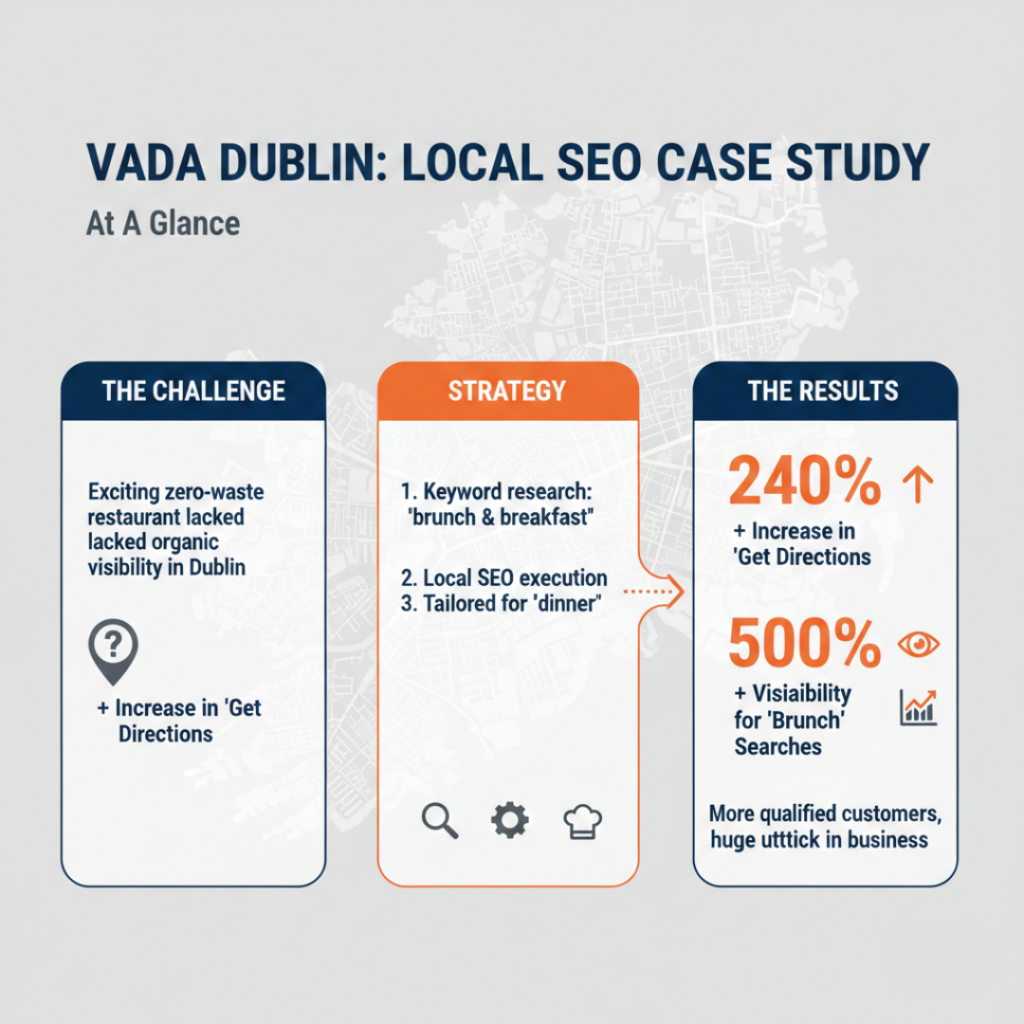
A 2025 case study shared by Owner.com showed:
- SEO brought over 40x more customers than social media
- One restaurant generated $250,000 in sales
- They gained 1,897 new customers in 30 days
- Most customers came from Google search, not Instagram
In 2026, this gap is wider.
Social media shows content to people scrolling.
Local SEO reaches people ready to eat now.
How Google and AI Tools Choose Which Restaurants to Show
Google Uses Three Core Signals
- Relevance – Does your restaurant match the search?
- Distance – How close is your location?
- Prominence – How trusted and active your restaurant looks online
AI Tools Use Trust and Clarity
AI platforms pull answers from:
- Google Business Profiles
- Restaurant websites
- Review platforms
- Local blogs
- Structured data
They favor:
- Clear business details
- Consistent information
- Strong reviews
- Helpful local content
Your goal in 2026 is to optimize for both Google and AI citation.
Step 1: Google Business Profile Still Drives Everything
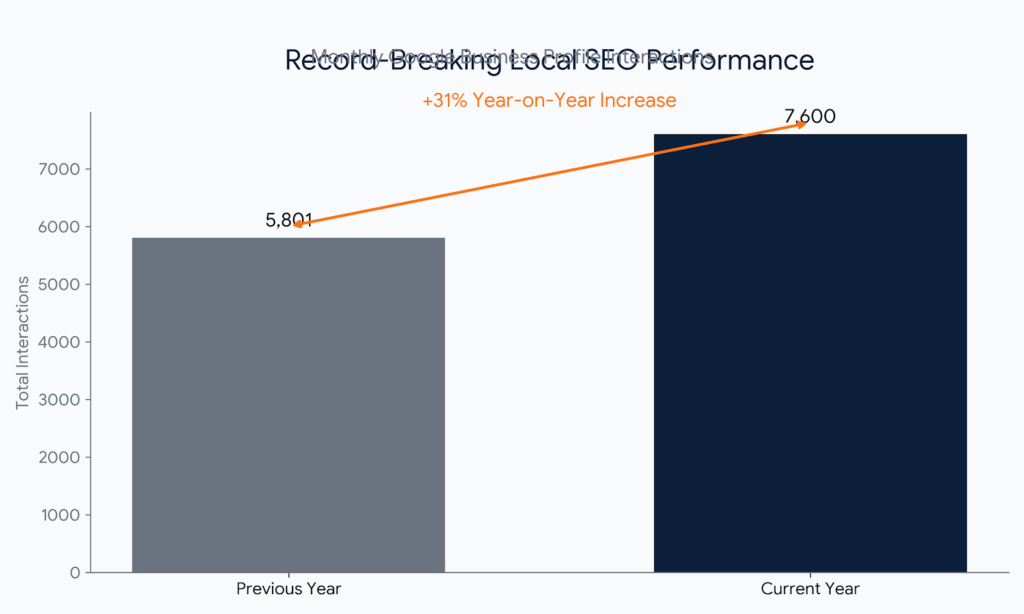
Your Google Business Profile (GBP) remains the most important local SEO asset.
Set It Up Correctly
- Claim and verify your profile
- Use your real restaurant name
- Avoid adding keywords to the name
Complete Every Section
Profiles with full data rank better.
Add:
- Address and phone number
- Website link
- Menu link
- Opening hours
- Service options (dine-in, delivery, takeout)
Choose Accurate Categories
Primary category matters most.
Examples:
- Nigerian Restaurant
- Italian Restaurant
- Fast Food Restaurant
Only add categories that match your service.
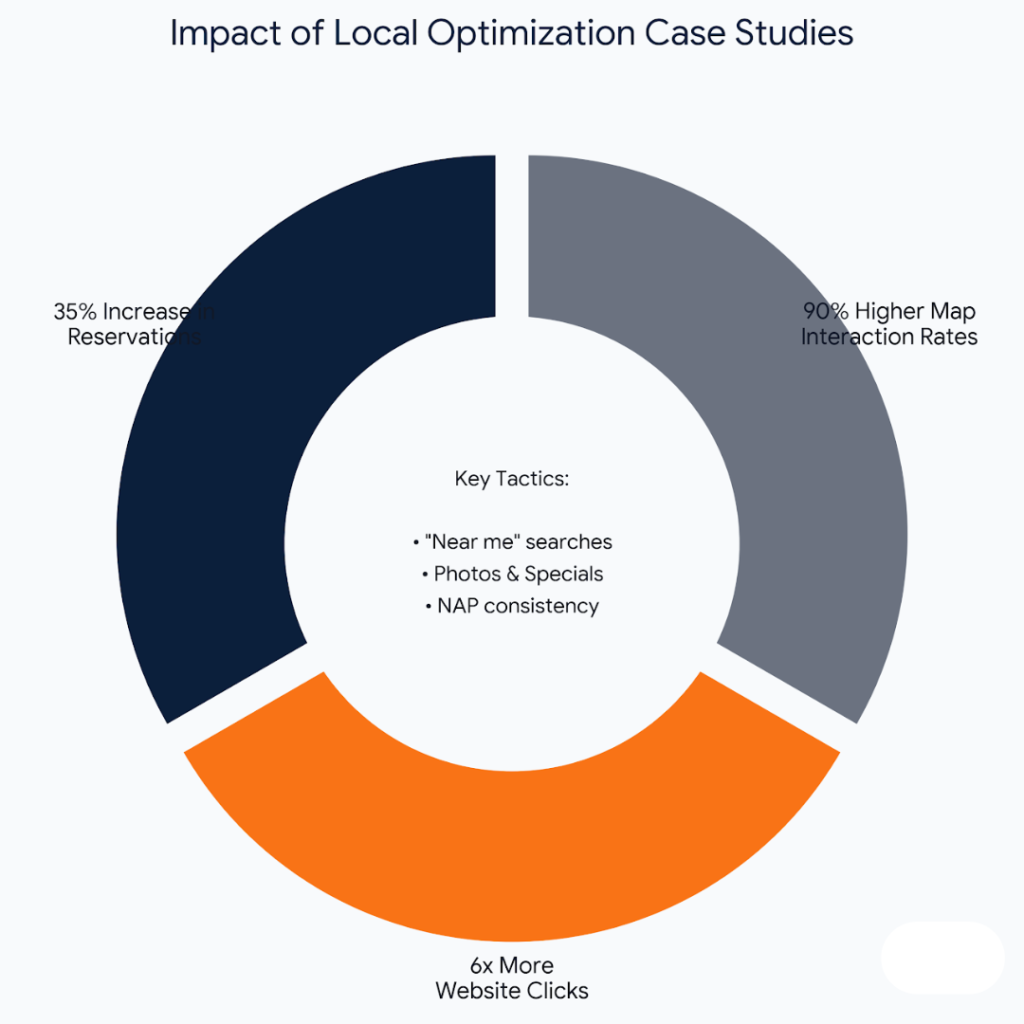
Add Fresh Photos Every Month
Photos improve:
- Clicks
- Calls
- Direction requests
Upload:
- Food
- Interior and exterior
- Staff
- Events
AI tools also scan images and captions for context.
Step 2: Local Keywords That Match Real Searches
Keywords still matter in 2026, but intent matters more.
High-Intent Restaurant Keywords
- “Best restaurant in Lekki”
- “Chinese food near me”
- “Late night food in Yaba”
- “Affordable family restaurant in Ibadan”
How to Find Keywords
Use:
- Google Keyword Planner
- Google autocomplete
- “People also ask”
- Competitor pages
Owner.com offers a free tool that shows:
- Keywords your competitors rank for
- Missing pages you should create
- Local demand patterns
Focus on keywords that describe food + location + intent.
Step 3: Restaurant Website Optimization for 2026
Your website supports both Google rankings and AI citations.
Pages Every Restaurant Needs
- Homepage
- Menu page (text-based)
- Contact page
- About page
- Location page
Clear Page Titles
Bad:
Home
Good:
Seafood Restaurant in Victoria Island | Ocean Grill
Search engines and AI tools need clarity.
Simple Content Structure
Use:
- Short paragraphs
- Clear headings
- Direct language
Avoid filler. Each sentence should explain something useful.
Step 4: Location Pages and Nearby Area Pages
In 2026, restaurants that target nearby areas get more reach.
Create pages like:
- Best restaurant in Ikeja
- Restaurant near Yaba
- Food delivery in Surulere
Each page should include:
- Location name
- Menu highlights
- Directions
- Photos
- Customer reviews
Owner.com recommends using AI to create these pages fast, then editing for accuracy.
Step 5: Menu Pages That Rank and Convert
Your menu is one of your strongest SEO assets.
Best Practices
- Use text menus, not image-only PDFs
- Add short descriptions to dishes
- Include popular local terms
Example:
Spicy Jollof Rice with Grilled Chicken – Popular Nigerian dish served fresh daily in Ikeja.
Menu content helps you rank for food-specific searches and AI answers.
Step 6: Reviews Matter More Than Ever
Reviews affect:
- Google Maps ranking
- AI recommendations
- Customer trust
How to Get More Reviews
- Ask customers after meals
- Use QR codes on tables
- Add review links to receipts
- Send follow-up messages
Respond to Every Review
Reply to:
- Positive reviews with thanks
- Negative reviews with solutions
AI tools often summarize reviews. Active responses improve sentiment signals.
Step 7: NAP Consistency Builds Trust Signals
NAP means:
- Name
- Address
- Phone number
Your details must match across:
- Google Business Profile
- Website
- Delivery apps
- Local directories
- Review platforms
AI tools rely on consistent data. Conflicting details reduce trust.
Step 8: Citations and Local Authority
Citations are online mentions of your restaurant.
Where to List Your Restaurant
- Google Maps
- TripAdvisor
- Yelp
- Local food blogs
- City directories
Local Links Help Rankings
Get links from:
- Local bloggers
- Event pages
- News sites
- Partner businesses
Local links carry strong location signals.
Step 9: Click-Through Rate Is a Ranking Signal
Ranking without clicks does not help.
Improve CTR by:
- Adding fresh photos
- Keeping hours accurate
- Encouraging reviews
- Writing clear descriptions
Green Hat Local SEO stresses that engagement actions like calls and directions help rankings.
Step 10: Mobile Speed and User Experience
Most restaurant searches happen on phones.
Your site should:
- Load fast
- Work well on mobile
- Include click-to-call buttons
- Show directions clearly
Use:
- Google PageSpeed Insights
- Compressed images
- Clean design
Slow sites lose customers and rankings.
Step 11: Voice Search Optimization
Voice searches keep growing.
Examples:
- “Where can I eat near me?”
- “Best restaurant open now”
To prepare:
- Use natural language
- Add FAQ sections
- Keep Google Business Profile updated
Voice search relies heavily on local data accuracy.
Step 12: Generative AI Optimization (GEO) for Restaurants
This is the biggest change in 2026.
How AI Tools Recommend Restaurants
AI platforms pull answers from:
- Google Business Profiles
- Restaurant websites
- Reviews
- Local articles
They look for:
- Clear location signals
- Consistent data
- Trusted mentions
- Helpful content
How to Get Your Restaurant Cited by AI
- Write clear location pages
- Answer common questions on your site
- Use structured content and headings
- Maintain strong reviews across platforms
- Get mentioned by local blogs and guides
AI tools prefer restaurants that are easy to understand and verify.
Step 13: Track Results and Improve
Track what matters:
- Google Maps views
- Calls and direction requests
- Website visits
- Keyword rankings
- Review growth
Tools like Google Search Console, Semrush, and Diib help monitor progress.
Common Local SEO Mistakes in 2026
Avoid these:
- Ignoring Google Business Profile
- Using wrong categories
- Inconsistent business details
- No reviews
- Thin content
- Slow websites
Simple fixes often lead to fast gains.
DIY or Professional Local SEO?
Some restaurant owners manage SEO alone. Others hire experts.
If you want faster growth or less trial and error, professional help makes sense. This list compares trusted options: Best Local Seo Services
Choose services that focus on rankings and calls, not reports.
Frequently Asked Questions About Restaurant Marketing and Sales
The following FAQs provide direct answers to common questions about growing your restaurant’s visibility and revenue. These answers follow Natural Language Processing (NLP) best practices by using clear subject-verb-object structures and avoiding fluff.
How to do SEO for a restaurant?
Restaurant SEO involves several specific steps to improve your search engine rankings. Start by claiming your Google Business Profile and ensuring your Name, Address, and Phone number (NAP) are consistent. Conduct keyword research for terms like “best [cuisine] in [city]”. Optimize your website for mobile users and ensure your menu uses text instead of PDF files so Google can read it. Finally, encourage customers to leave reviews and build local links from food bloggers or directories.
Are 46% of Google searches local?
Yes. Approximately 46% of all Google queries have local intent. This means nearly half of all people using Google are looking for businesses, services, or information within their immediate area.
What is the 30/30/30/10 rule for restaurants?
The 30/30/30/10 rule is a financial guideline for restaurant cost management. It suggests that 30% of revenue should go to labor costs, 30% to food and beverage costs (COGS), and 30% to overhead expenses like rent and utilities. The remaining 10% represents the target profit margin for the business.
How to market your restaurant locally
Local marketing focuses on reaching customers in your immediate vicinity. You should optimize your Google Business Profile to appear in local map results. Run targeted ads on social media or search engines that only show to people within a specific radius of your location. Partner with other local businesses for cross-promotion and host community events to increase foot traffic.
What are the three C’s in a restaurant?
In the context of restaurant management and customer service, the three C’s usually stand for:
- Cleanliness: Maintaining a hygienic environment in the kitchen and dining area.
- Consistency: Delivering the same quality of food and service during every visit.
- Communication: Ensuring clear interaction between staff members and between staff and guests.
How do I attract customers to my restaurant?
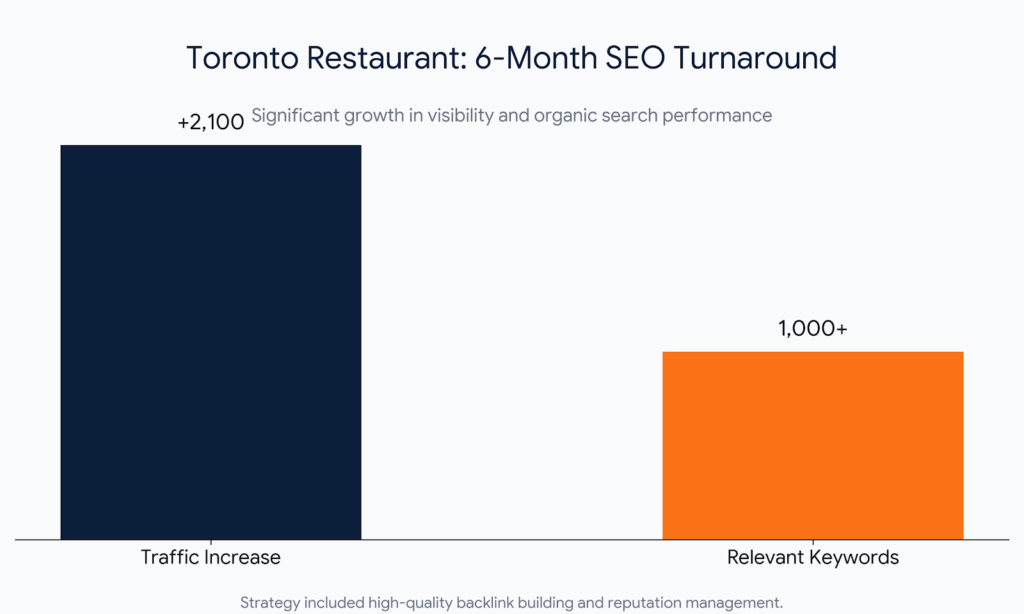
To attract more customers, you must improve your online visibility and reputation. Ranking #1 on Google for free can drive significant traffic; for example, one restaurant used SEO to gain nearly 2,000 new customers in a month. Offer limited-time promotions, respond to all online reviews to build trust, and use high-quality food photography on your website and social media profiles.
What are the 4 P’s of marketing for restaurants?
The 4 P’s represent the traditional marketing mix adapted for the food industry:
- Product: Your food, drinks, and the overall dining experience.
- Price: Your menu pricing strategy relative to competitors and value.
- Place: Your physical location and the distribution channels you use, such as delivery apps.
Promotion: The advertising, SEO, and social media efforts you use to reach guests.
How do I get my restaurant noticed?
Getting noticed requires a strong presence where customers look for food. Optimize your Google Business Profile with photos and regular posts to stand out in search results. Use local SEO strategies to rank for “near me” searches. Additionally, engaging with local influencers and food critics can provide the third-party validation needed to catch the public’s eye.
How can I increase 100% sales?
Doubling your sales requires a combination of acquiring new customers and increasing the frequency of return visits. Use AI-driven SEO strategies to create landing pages for every neighborhood you serve to capture new search traffic. Implement a loyalty program to encourage repeat business and use upselling techniques to increase the average check size.
What is the 3-3-3 rule in sales?
The 3-3-3 rule is a follow-up strategy used to maintain momentum with leads or customers. It suggests contacting a prospect 3 days, 3 weeks, and 3 months after your initial interaction. In a restaurant context, this could involve sending a “thank you” email, a discount for a return visit, and a seasonal update to keep your brand top-of-mind.
What are the 5 C’s of sales?
The 5 C’s of sales help staff convert leads into customers:
- Character: Building trust through integrity.
- Context: Understanding the customer’s specific needs or occasion.
- Connection: Establishing a rapport with the guest.
- Competence: Demonstrating deep knowledge of the menu and services.
- Closing: Successfully asking for the order or the reservation.
What are the 7 P’s of sales?
The 7 P’s expand the traditional marketing mix to include elements critical for service-based businesses like restaurants:
- Product
- Price
- Place
- Promotion
- People: The staff who deliver the service.
- Process: The system used to deliver food (e.g., reservation and kitchen workflows).
- Physical Evidence: The tangible cues of quality, such as branding, decor, and plating.
Final Thoughts: Local SEO Is a Growth Channel, Not a Trend
Local SEO for restaurants in 2026 is about visibility where decisions happen—Google, Maps, and AI answers.
Restaurants that:
- Optimize Google Business Profile
- Create clear local content
- Earn reviews and trust
- Prepare for AI search
will attract steady customers without paying for ads.
Local SEO compounds over time. Start now, stay consistent, and let hungry customers find you.