
The Pediatric Dentist SEO Company That Parents Trust to Find You
Parents search for specialists who understand their children’s needs. As a leading pediatric dentist SEO company, we ensure your clinic appears exactly when they are looking for local care.
Our comprehensive dental SEO services help your pediatric practice rank higher, get found faster, and turn search traffic into booked appointments. We focus on local intent and real families in your community.
Get Free Pediatric SEO Audit
Why Your Clinic Needs a Pediatric Dentist SEO Company
Most parents search phrases like: “kids dentist near me”, “children’s dentistry”, or “emergency pediatric dentist”. Google shows only a few results at the top—our goal as your pediatric dentist SEO company is to make sure you are one of them.
Professional local SEO places your practice in front of families ready to book. Unlike ads, organic SEO keeps working month after month to provide steady patient growth.

The Pediatric Dentist SEO Company Growth Strategy
Custom Keyword Research & Audits
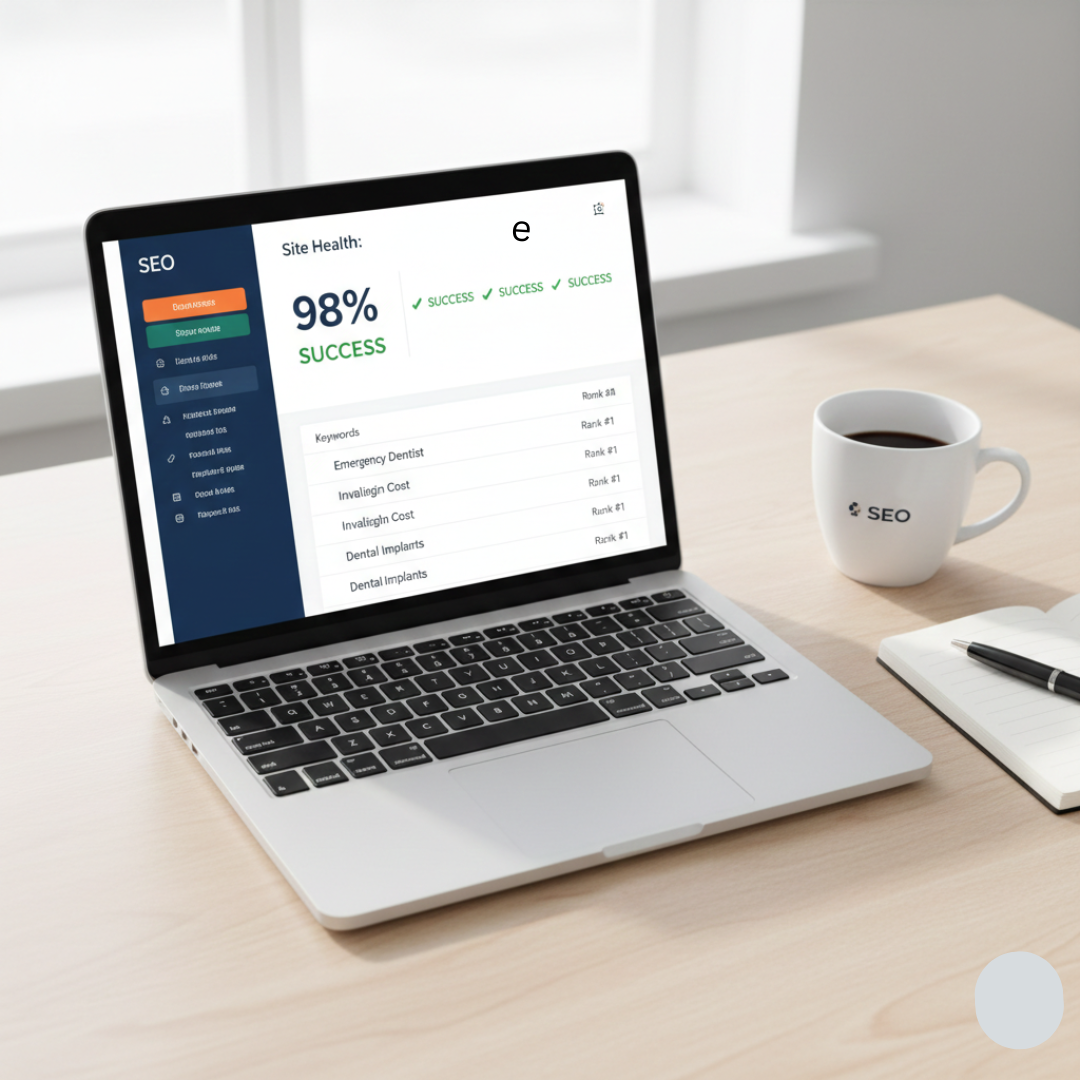
We use a structured system built specifically for kids’ dentistry. Our pediatric dentist SEO company experts review your website structure and speed using advanced local SEO tools.
We perform deep local SEO keyword research to find high-intent phrases that local parents use, ensuring your practice is visible for the most valuable search terms.
Dominating Local Maps & On-Page SEO
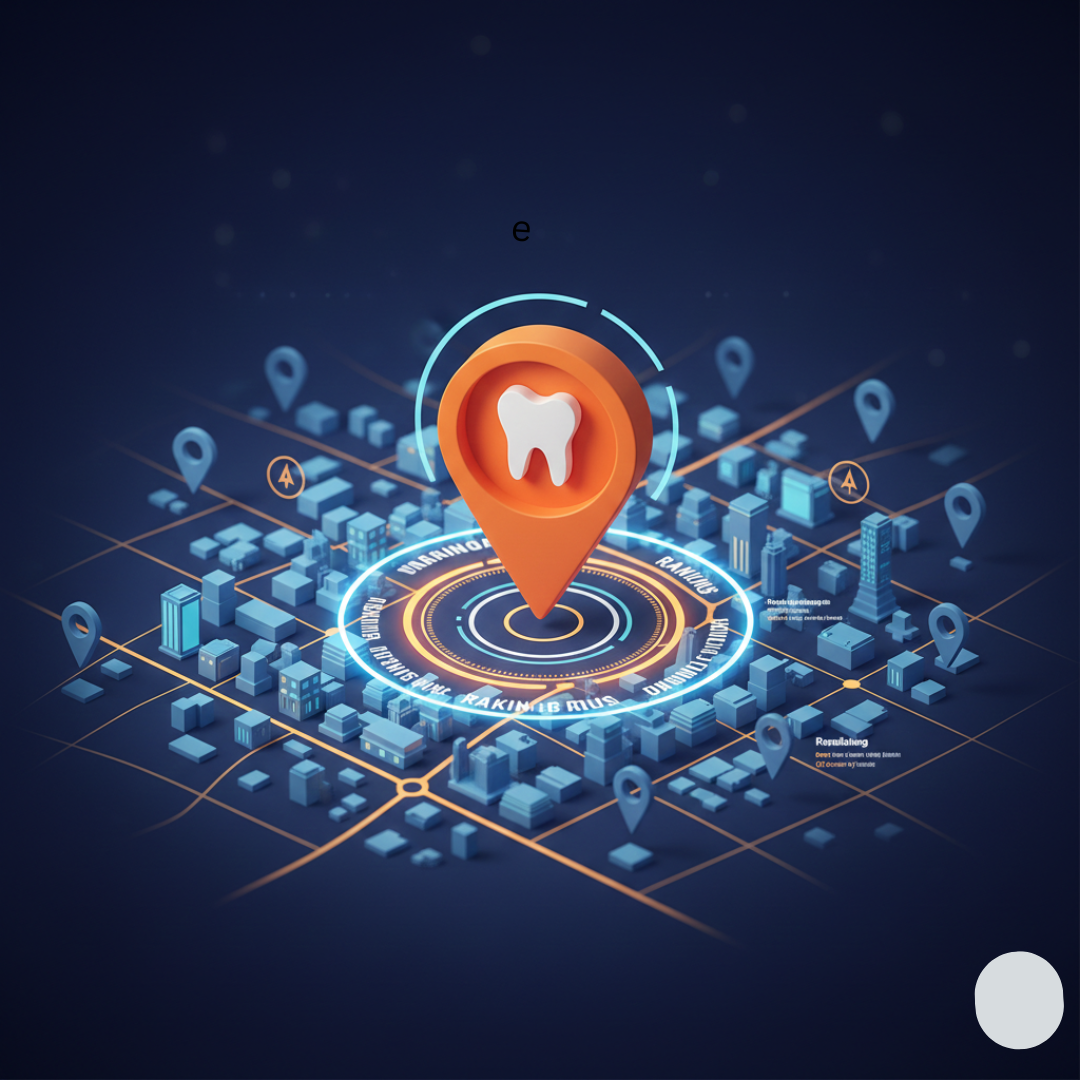
Our pediatric dentist SEO company optimizes your website and local SEO profile so search engines understand your location and services clearly. This drives more calls from nearby families by ensuring your clinic appears in the Google Map Pack.
Google Business Profile & Mobile Success
Most dental searches happen on phones. Our pediatric dentist SEO company ensures a responsive layout and easy tap-to-call buttons. We also optimize your Google Business Profile to boost trust and bookings through better reviews and photos.

Tracking ROI with a Pediatric Dentist SEO Company
You deserve clear data. We track rankings, traffic, and calls via your GBP dashboard. As a specialized pediatric dentist SEO company, we focus on generating a 5x to 10x return over time, providing better value than traditional paid advertising.

Get a Free Audit from our Pediatric Dentist SEO Company
If your practice does not appear on page one, families will choose your competitors. Let us show you where you stand and how fast you can grow.
Request Your Free Website Audit NowReady to Hire a Pediatric Dentist SEO Company?
Parents are searching for you every day. Make sure they find you. Our pediatric dentist SEO company helps you rank higher, get more calls, and grow your family base.
Get Free Dental SEO AuditDental SEO & Marketing: Expert Insights
Dental SEO services are specialized search engine optimization strategies tailored specifically for the oral healthcare industry. These services involve optimizing your website’s technical structure, content, and local presence to ensure you rank at the top of Google for keywords like “dentist near me” or “dental implants.” Research published on ResearchGate regarding digital marketing in healthcare indicates that practices with a strong SEO presence see a 40% higher patient acquisition rate than those relying on traditional media.
Generalist agencies often lack the clinical understanding necessary to rank dental procedures. A specialized dental SEO company understands the patient journey—from the moment a patient feels tooth pain to the moment they book a root canal. Experts in Google Scholar case studies suggest that niche-specific marketing ensures higher compliance with healthcare advertising regulations while drastically lowering the cost-per-lead for high-value treatments.
Local search engine marketing (Local SEO) focuses on the “Map Pack” results. This is critical for dentists because 80% of patients choose a clinic within a 10-mile radius. We optimize your Google Business Profile, manage local citations, and help you gain authentic reviews. This geographic targeting ensures that your practice is visible to people in your immediate neighborhood who are actively searching for dental care right now.
Yes. SEO is the most effective way to reach “high-intent” patients. Unlike TV ads that reach everyone, SEO only reaches people who are actively typing “emergency dentist” or “best cosmetic dentist” into their phones. By appearing at the top of these search results, you position your practice as the immediate solution to their problem, which results in much higher appointment booking rates compared to any other form of marketing.
SEO is a compound investment. While technical “quick wins” can occur within the first month, most dental practices see a significant surge in organic traffic and phone calls within 3 to 6 months. This timeline allows search engines to crawl your new content and recognize your practice as a local authority in the dental field. Unlike paid ads, once you rank organically, those “clicks” are free, providing a much higher long-term ROI.
Technical SEO involves the backend of your website. It includes ensuring your site loads in under 3 seconds, making it fully mobile-responsive, and implementing “Schema Markup” that tells Google exactly where your clinic is located and what your opening hours are. If your site is technically broken or slow, Google will penalize your rankings, regardless of how good your blog posts are.
Reviews are a massive ranking factor for Google’s local algorithm. A consistent stream of 5-star reviews signals to Google that your practice is trustworthy and high-quality. Moreover, when patients use keywords like “gentle dentist” or “Invisalign treatment” in their reviews, it actually helps your practice show up for those specific search terms.
Content marketing involves creating informative articles and videos that answer patient questions. For example, writing a guide on “What to expect during a dental implant procedure” builds trust and authority. Google rewards sites that provide high-value information with higher rankings, as it proves you are an expert in your field.
Absolutely. Over 70% of dental-related searches are performed on mobile devices. If a patient with a toothache lands on a site that is hard to navigate on their phone, they will immediately leave and click on a competitor. Google also uses “mobile-first indexing,” meaning it ranks your practice based on how well your mobile site performs.
PPC (Pay-Per-Click) is like renting visibility—you pay Google every time someone clicks your ad. SEO is like owning visibility—you build authority that keeps you at the top for free. While PPC is great for instant leads, SEO provides a sustainable foundation that grows your business without a constant daily ad spend.
We use advanced data tools to find “high-intent” keywords that patients actually search for. We don’t just target broad terms like “dentist”; we target terms like “same-day dental crowns” or “affordable braces for adults” to ensure the traffic coming to your site is actually ready to book an appointment.
While not strictly mandatory, a blog is a powerful tool for ranking. It allows you to target “long-tail” questions that patients ask, such as “is professional teeth whitening worth it?” This educational content captures patients early in their decision-making process, ensuring they choose your clinic when they are finally ready for treatment.
Link building is the process of getting other reputable websites to link back to yours. In Google’s eyes, a link from a medical association or a local news outlet is a “vote of confidence.” The more high-quality “votes” your site has, the higher your authority and the easier it is to rank for competitive keywords.
SEO is not a one-time task. Google updates its algorithm thousands of times per year. A professional agency reviews your data monthly to adjust keywords, update old content, and ensure you stay ahead of new competitors who are trying to take your top spot.
We track success using “Conversion Tracking.” This includes monitoring how many people clicked your “Book Now” button, how many new patient forms were submitted, and even tracking phone calls to see exactly how many appointments were generated specifically from search engine traffic.
E-E-A-T stands for Experience, Expertise, Authoritativeness, and Trustworthiness. Google uses this to rank medical sites. We ensure your brand projects these qualities by highlighting your doctor’s credentials, showcasing patient testimonials, and publishing medically accurate content.
Yes. We create dedicated landing pages for specific high-value services. By ranking for terms related to “dental implants cost” or “all-on-4 benefits,” we attract patients who are specifically looking for major restorative work, which significantly boosts your clinic’s revenue.
Competition is fierce in the dental industry. A proactive SEO strategy includes “competitor analysis” where we look at what the clinics outranking you are doing—what keywords they use and where they get their links—and then we out-strategize them to win back your position.
Extremely important. Patients are often in a hurry or in pain. If your site takes longer than 3 seconds to load, 50% of users will leave. A fast site is not just an SEO ranking factor; it is a critical component of user experience that prevents patient “leakage” to competitors.
The first step is a comprehensive “SEO Audit.” We analyze your current website, your local competition, and your keyword rankings. From there, we build a roadmap designed to turn your website into a 24/7 patient-generation machine.